Aug 12 | Nome Schoolhouse
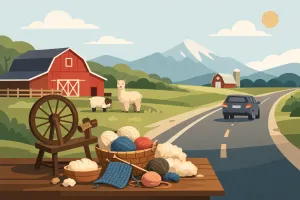
A Barn to Yarn Experience Worth the Drive
A Barn to Yarn Experience Worth the Drive
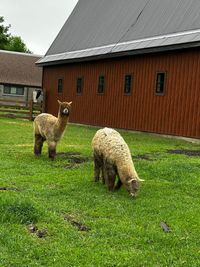
The first clue is the sound: the steady rhythm of the carder in the mill, the soft rustle of fleece, and the occasional greeting from an animal in the barn. A BARN TO YARN EXPERIENCE turns something most of us only see on a store shelf into a story you can touch. Here, yarn does not begin as a skein with a label. It begins in the pasture, with the animals and the people who care for them.
For fiber artists, that connection can change the way you spin, weave, knit, or felt. For families and curious travelers, it offers a hands-on look at rural work that is both old-fashioned and remarkably relevant. You do not need to arrive knowing a merino from a mohair blend. Bring your curiosity, wear shoes that can handle a little barn dust, and be ready to see how much care lives inside a finished strand of yarn.
Start Where the Fiber Starts: The Barn
Every good textile has an origin story, and it starts with fiber-producing animals. Meeting them first makes the rest of the process make sense. Wool, alpaca, mohair, and other natural fibers each behave differently because each animal produces a different kind of fleece. Some fibers are springy and soft. Others have length, luster, or strength that makes them especially suited for a particular project.
A visit to the barn is not simply a photo opportunity, though there is no shame in taking the photo. It is a chance to understand that quality fiber depends on thoughtful animal care, nutrition, shelter, and careful shearing. The best fleece is not an accident. It reflects a year of steady work.
This is also where newcomers often have their biggest light-bulb moment. Raw fleece is not clean, uniform, or ready for a knitting needle. It contains vegetable matter from the pasture, natural oils, short bits, and sections that need to be sorted away. That is normal. The transformation is the point.
What Happens Between Fleece and Yarn
A barn to yarn experience becomes especially memorable when guests can follow the fleece into a working mill. The machinery may look wonderfully mechanical and a little mysterious at first, but each stage has a clear purpose: prepare the fiber, align it, and turn it into a usable textile material.
After sorting, fleece is washed to remove dirt and natural oils. The amount of washing depends on the type of fiber and its intended use. Overwashing can strip away qualities a maker may want to preserve, while underwashing can leave too much residue behind. Like much of fiber arts, the right choice depends on the fiber and the final project.
Once clean and dry, the fiber is opened and carded. Carding separates and begins to align the individual fibers, turning a fluffy mass into a more consistent preparation. From there, it may become roving for hand spinning, batts for felting, or material ready for further processing into yarn.
Watching this happen provides a useful perspective for experienced makers, too. A skein is the result of dozens of decisions: which fleece sections to keep, how thoroughly to clean the fiber, how to blend colors, how to prepare it, and how much twist to use. There is skill in every step, but there is also room for character. A rustic yarn with flecks of natural color may be exactly right for a warm woven throw, while a smoother, more consistent yarn may suit detailed knitting.
Roving, Felt, Kits, and Finished Goods
Not every visitor needs to leave with yarn, and that is part of the fun. Roving is an inviting choice for people who want to try spinning or needle felting. It is soft, approachable, and full of possibility. Felted goods show how loose fibers can become a strong textile through moisture, friction, or needle work. Finished items demonstrate what can happen when a maker carries that fiber all the way through a project.
Hands-on kits are especially helpful for beginners because they replace guesswork with a clear starting point. A small felt project, a simple spinning lesson, or a beginner weaving activity can make fiber arts feel far less intimidating. Serious makers, meanwhile, may be looking for distinctive mill-made fiber, specialty equipment, or the rare chance to ask knowledgeable questions while standing beside the machinery.
Learn by Doing, Not Just Watching
A tour explains the process. A class lets it stick.
There is a difference between seeing carded fiber and pulling it through your own hands. There is a difference between admiring a handspun skein and feeling the twist build as you try a spindle. Guided textile education gives visitors permission to be beginners, ask practical questions, and make a few imperfect first attempts.
For a first class, choose the activity that matches your patience and interest. Needle felting offers quick visual progress and works well for people who enjoy sculpting with their hands. Spinning rewards rhythm and practice, but it can be wonderfully calming once the motion clicks. Weaving is ideal for guests who love color, pattern, and structure. Knitting and crochet build slowly, yet they travel easily into everyday life after the trip is over.
The trade-off is simple: a short workshop can give you a strong introduction, while a longer retreat allows time to repeat the motions, troubleshoot, and settle into the craft. Neither is better. A family passing through may want a one-hour project and a story to take home. A dedicated spinner may want deeper instruction, access to professional equipment, and time around other fiber people who speak the same creative language.
Make a Rural Getaway of It
The magic of this kind of experience is that it does not have to be rushed. At Nome Schoolhouse, the barn and mill are part of a larger rural destination built for people who want to learn, rest, relax, and recharge in one memorable place.
A Place Like No Other
What happens when you mix a century of North Dakota history, an abandoned rural school, and a passion for the fiber arts? You get the Nome Schoolhouse. Built in 1916 and left to the elements after closing in 1970, this incredible building has been completely reimagined as a boutique hotel, event space, and working wool mill. From its elegant woodwork to the Barn To Yarn Experience, we’re taking a look inside North Dakota's most creative historical space.
Shearing Day
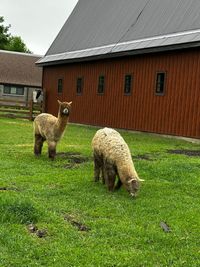
Good morning! It's June 5 and it's shearing day for our flock. Our shearer will have some challenges because the recent rains have left the animals (especially the alpacas) very dirty - almost muddy. But all of them need a trim so there's no waiting. We will have photos in the upcoming days of the before and after so watch our website and facebook for the fresh looks.