
How to Plan a Hands-On Wool Processing Workshop
Updated: Oct 26
Last Updated: October 25, 2026
Quick Summary
A wool processing workshop teaches participants to transform raw fleece into usable fiber through sorting, washing, carding, and spinning. Plan your wool processing workshop by defining clear learning outcomes, selecting quality tools, structuring hands-on demonstrations with practice time, and preparing materials in advance.
Half-day workshops cover single techniques; full-day workshops teach the complete sheep-to-skein process; multi-day workshops allow deeper skill development and complex projects.
Ideal instructor-to-participant ratio is one instructor per eight participants for hands-on technique teaching.
Pre-wash and dry all fleece before the workshop, then card it into batts so instruction focuses on teaching, not logistics.
Offer seating options, hand strength modifications, and adjustable equipment heights to make your workshop accessible to all learners.
Demonstrate each technique slowly while narrating, then repeat at normal speed, followed by supervised practice time for participants.
Table of Contents
Define Your Workshop Goals and Audience
Planning a successful wool processing workshop starts with clarity about what you want to teach and who will attend.
Your audience determines your approach. Beginners need slower pacing, more hands-on support, and simpler projects. Experienced crafters want depth, technical challenge, and advanced techniques.
Consider these core questions:
What's your main learning outcome? (fiber preparation, spinning, felting, or the full sheep-to-skein journey?)
What skill level will you accept?
How many participants do you want to teach?
At Nome Schoolhouse, we design workshops around clear outcomes. We've found that groups work best when participants share similar experience levels and interests.
Understanding the Wool Processing Steps You'll Teach
Teaching wool processing means walking participants through the complete transformation from raw fleece to usable fiber. Understanding each step deeply is essential before you teach it.
From Raw Fleece to Usable Fiber
The journey begins with freshly shorn wool. Raw fleece straight from the animal contains lanolin (natural oils), dirt, hay, and other debris.
The basic sequence looks like this:
Sorting and skirting, Remove damaged, stained, or inferior fibers from the edges and weak spots
Washing or scouring, Remove lanolin and dirt using warm water and mild soap
Drying, Spread fleece to dry completely (usually 24-48 hours)
Carding, Use hand carders or a drum carder to align fibers and create batts ready for spinning
Spinning, Twist prepared fibers into yarn using a spinning wheel or hand spindle
Finishing, Skein the yarn, wash it, and dry it to set the twist
Each step teaches participants something different. Skirting teaches fiber quality assessment. Washing teaches how water temperature and soap affect fiber.
The Fleece and Fiber Sourcebook provides detailed reference material on fiber types and their characteristics, which strengthens your knowledge base as an instructor.
Select Your Wool Processing Tools and Materials
Your tool selection directly affects what participants can accomplish and how engaged they stay. Quality tools make learning easier. Frustration with poor equipment kills enthusiasm fast.
Processing Our Own Sheep Wool
The 10 Acre Woods
Essential hand-processing tools include:
Hand carders, Paired paddles with wire teeth that align fibers. Essential for small batches and teaching. Participants can feel the fiber transformation directly.
Drum carder, Motorized or hand-cranked drum that processes larger volumes quickly. Shows efficiency gains but requires more setup and safety awareness.
Spinning wheel or drop spindle, The wheel is easier for beginners; the spindle is portable and requires no equipment investment.
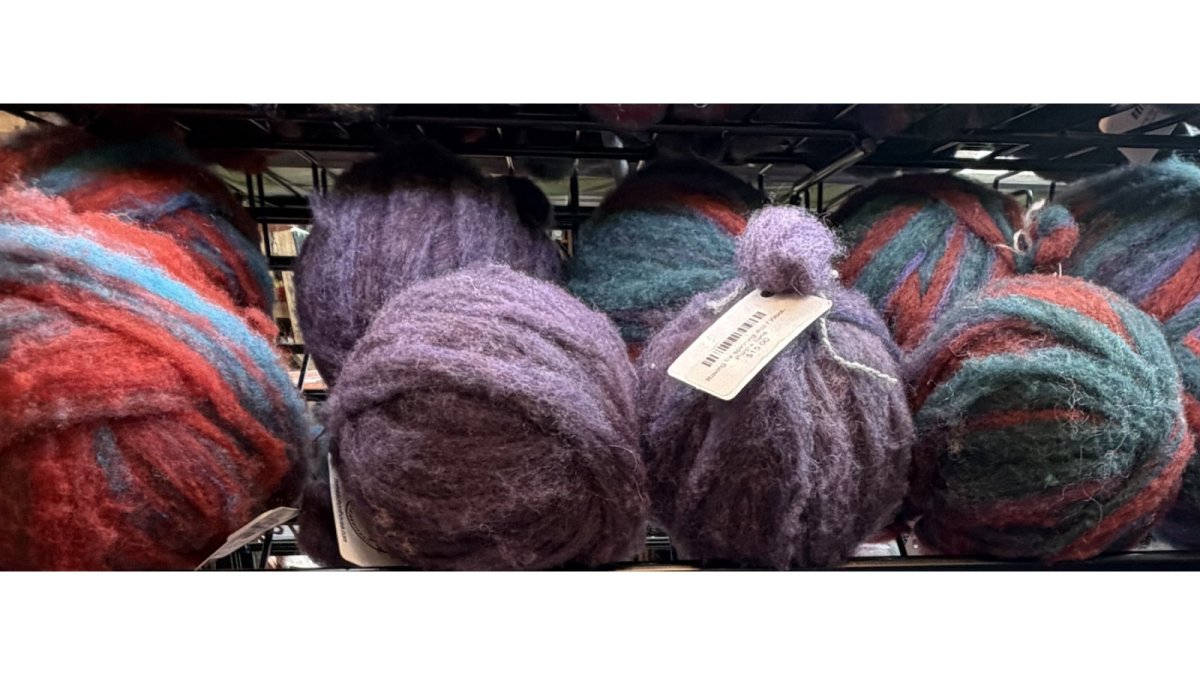
Quality roving for practice spinning is critical. The Nome Schoolhouse CVM Blends Roving For Spinning offers processed, high-quality hand spinning roving in multiple colors and blends. The Nome Schoolhouse CVM Blends Roving For Spinning offers processed, high-quality hand spinning roving in multiple colors and blends.
Stock enough materials for all participants plus extras for mistakes and demonstrations. Running short mid-workshop breaks momentum and frustrates learners.
Create Your Wool Workshop Lesson Plan
A solid lesson plan balances demonstration, hands-on practice, and reflection. Participants learn best when they see the technique, try it themselves, and get feedback in real time.
Structuring Hands-On Demonstrations
Start each new technique with a clear demonstration. Show the full motion slowly. Narrate what you're doing and why. Then do it again at normal speed so participants see the rhythm.
For example, when teaching hand carding:
Show the loaded carder in your hands
Explain the grip and arm movement
Demonstrate the full stroke slowly while narrating
Repeat at normal speed
Invite a participant to try while you watch
Provide immediate feedback and encouragement
Demonstrations work best when you position yourself so everyone can see. Stand where light hits your hands clearly. Use a document camera or mirror if your group is large.
Building in Practice Time for Participants
After demonstration, participants need time to practice without pressure. Expect the first attempts to feel clumsy. This is normal and temporary.
Structure practice in stages:
First attempts, Supervised, with you circulating to answer questions and adjust technique
Longer practice blocks, 15-30 minutes where participants work independently while you observe
Peer teaching, Once comfortable, have experienced participants help newer ones
Practice time builds muscle memory and confidence. Rushing through it creates frustration. Budget at least as much practice time as demonstration time.
Build Your Wool Processing Workshop Schedule
Timing affects learning quality and participant satisfaction. Too rushed creates stress. Too slow feels boring. The right pace keeps energy steady.
Half-Day, Full-Day, and Multi-Day Options
Half-day workshops (3-4 hours) work best for single techniques. Teach hand carding, basic spinning, or felting basics. Include a 15-minute break. Participants leave with a completed small project and clear understanding of one skill.
Full-day workshops (6-8 hours) cover the complete sheep-to-skein process or allow deeper skill building. Include a lunch break and a mid-afternoon 15-minute rest. Participants experience multiple steps and see how they connect.
Multi-day workshops (2-5 days) let participants move at a comfortable pace and tackle complex projects. Day one covers sorting and washing. Day two focuses on carding and preparation. Days three and four build spinning skills. Day five covers finishing and takes-home projects. For multi-day workshops, hotel rooms allow participants to stay on-site, and catering can handle meals so you focus entirely on instruction.
Group Size and Instructor Ratios
Group size directly affects learning quality. Larger groups require more instructors and more careful setup.
Recommended ratios:
1 instructor, up to 8 participants, Ideal for hands-on technique teaching. You can give each person real attention.
1 instructor, 9-15 participants, Possible with good station setup. You'll spend more time managing logistics than individual feedback.
1 instructor, 16+ participants, Add a second instructor or teaching assistant. At this scale, demonstrations work better than individual coaching.
Mixed-skill groups need more instructor support. A group of all beginners moves together. A mixed group requires differentiated tasks so advanced participants stay engaged while beginners get the help they need.
Plan Your Venue, Layout, and Safety Protocols
Your physical space shapes the entire workshop experience. Poor layout creates chaos. Good layout lets learning flow naturally.
Sanitation and Wool Handling Best Practices
Wool processing involves water, heat, and close contact with fiber. Basic sanitation keeps everyone healthy and protects the fiber quality.
Establish these practices:
Hand washing stations, Participants wash hands before handling fiber and after using the bathroom
Dedicated work areas, Raw fleece stays separate from cleaned fiber to prevent re-contamination
Clean water changes, Replace wash water between participants or every few batches to keep it effective
Wool itself is naturally antimicrobial, but dust and debris from raw fleece can irritate respiratory systems. Good ventilation matters. Open windows or run fans to keep air moving.

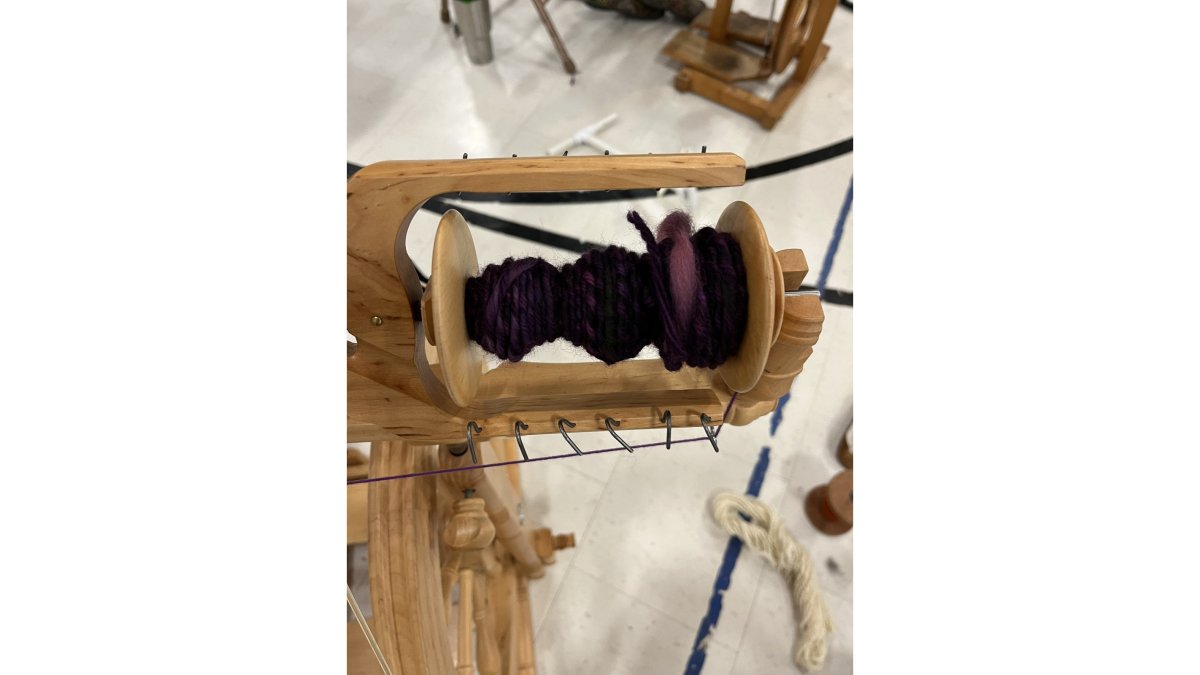
Yarn spinning at the Nome Schoolhouse Fiber Processing Mill
Accessibility and Adaptations for All Learners
Not all participants have the same physical abilities or learning styles. Small adaptations make your workshop inclusive.
Consider these adjustments:
Seating options, Offer chairs with and without arms. Some people need back support; others need to stand and move.
Hand strength modifications, Hand carders require grip strength. Offer a drum carder option for people with arthritis or limited hand strength.
Spinning wheel height, Adjust wheel height so participants can sit comfortably without straining their back or neck.
These adaptations benefit everyone. A taller person appreciates an adjustable wheel height. Someone with hearing loss benefits from clear verbal instruction plus written steps. Good inclusive design lifts the whole group.
Prepare Materials, Budget, and Logistics
Material preparation determines whether your workshop runs smoothly or falls apart mid-session. Plan ahead.
Sourcing High-Quality Raw Wool and Fleece
Not all raw fleece is created equal. Quality varies by breed, how the animal was cared for, and how the fleece was handled after shearing.
Look for fleece with these qualities:
Consistent fiber length, Longer staple length (2-4 inches) is easier to work with than very short fiber
Clean cut, Fleece should show a clean shearing line, not matted or torn fiber
Minimal vegetable matter, Some hay and dirt is normal; excessive debris makes processing tedious
Local sources often offer better prices and fresher fleece than mail-order suppliers. Connect with regional shepherds, fiber festivals, or agricultural extension offices.
Pre-Workshop Fleece Preparation and Sorting
Arrive at your workshop with fleece already sorted and ready to wash. This saves enormous time and keeps the focus on teaching, not logistics.
Steps to complete before participants arrive:
Sort fleece by quality, Set aside the best fiber for demonstrations and participant use
Skirt the fleece, Remove damaged edges and weak spots
Wash and dry completely, Fleece must be bone-dry before carding
Card into batts, Prepare roving for spinning demonstrations and practice
Measure and portion, Divide fleece into portions so each participant gets enough to work with
Pre-preparation takes time, but it transforms your workshop from chaotic to focused. Participants see the finished process, not just the raw materials.
The Nome Schoolhouse Blending Board is perfect for organizing and blending prepared fiber before the workshop.
Create a simple materials checklist to track what you've prepared:
Material | Quantity Needed | Prepared? | Notes |
Raw fleece (sorted) | 2-3 lbs per participant | ☐ | Pre-washed and dried |
Prepared roving | 1-2 lbs per participant | ☐ | Carded and portioned |
Hand carders | 1 per 2 participants | ☐ | Cleaned and ready |
Spinning fiber | 4-6 oz per participant | ☐ | High quality, consistent |
Wash basins | 2-3 | ☐ | Clean, filled with water |
Drying racks | 2-3 | ☐ | Set up and ready |
Thermometers | 2-3 | ☐ | For water temperature |
Planning a wool processing workshop requires attention to learning outcomes, material quality, pacing, and logistics. At Nome Schoolhouse, we've hosted fiber arts workshops for groups ranging from curious beginners to experienced crafters, and we've learned that the best workshops combine clear teaching, quality materials, and thoughtful space design. Book your room and let us help you host your wool processing workshop in a historic, fully equipped venue designed for hands-on creativity.
Frequently Asked Questions
What are the main wool processing steps I should teach in a hands-on workshop?
A complete hands-on wool processing workshop typically covers fleece selection and evaluation, sorting and skirting (removing coarse fibers), washing and scouring, drying, carding or combing, and spinning into yarn. Beginners often start with pre-sorted, cleaned fleece to focus on carding and spinning fundamentals. Advanced workshops may include the full journey from raw fleece to finished yarn or felted projects. Tailor the steps to your workshop duration and participant experience level.
How many participants should attend a wool processing workshop for effective learning?
Ideal group size depends on your instructor-to-participant ratio and available workstations. Most fiber arts educators recommend 8-12 participants per instructor for hands-on wool processing workshops. Smaller groups (4-6) allow more personalized attention and are better for absolute beginners. Larger groups (15-20) work if you have multiple instructors or assistants. Ensure each participant has access to their own carding equipment, spinning wheel or drop spindle, and work surface to practice skills independently.
What wool processing tools and equipment do I need to set up a workshop?
Essential wool processing tools include hand carders or combs for fiber preparation, spinning wheels or drop spindles for yarn creation, felting needles and mats if including felting, and drying racks or lines for wet fleece. You'll also need scales for weighing raw wool, baskets for sorting fleece by grade, washing basins or tubs, and storage containers for materials. Consider the number of participants when calculating equipment needs—typically one set of tools per person plus backup items for high-traffic pieces like hand carders.
How long should a wool processing workshop be to teach meaningful skills?
Half-day workshops (3-4 hours) work well for single-skill introductions like basic hand carding or simple spinning. Full-day workshops (6-8 hours) allow participants to progress through multiple steps, from fleece evaluation through washing and beginning to spin. Multi-day retreats (2-3 days) enable deeper learning, practice, and completion of finished projects. Beginners benefit from at least 4 hours of instruction plus hands-on practice; experienced fiber artists can accelerate learning in shorter sessions focused on advanced techniques.
CLASSES & RETREATS
Add nomeschoolhouse.com as a preferred source on Google →
Comments